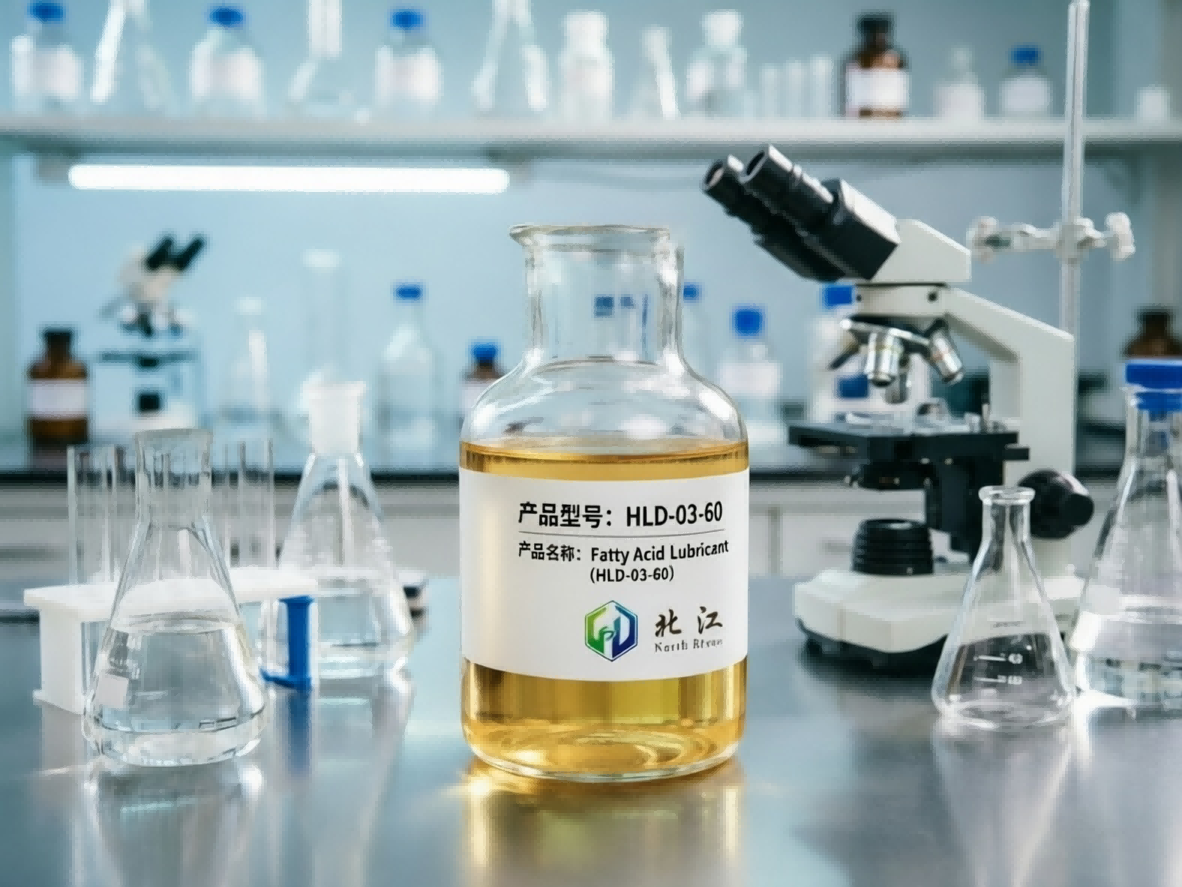
Initiating such analysis relating to Refined Soybean Fat (ESO)
{Ascending anxieties related to accepted plasticizers possess stimulated a investigation to find functional solutions. Refined soybean derivative (ESO) emerges as a promising option. Obtained from a green feedstock, ESO delivers a notable cut in usage on nonrenewable fuels and serves to a enhanced eco-friendly structure. Too, ESO delivers noteworthy bendability and congruence to diverse synthetic compositions, enabling it a appropriate choice for a wide set of implementations.
Neutral-Odor Care Class ESBO: Satisfying Demanding Needs
The development of low-odor medical grade ESBOs represents a critical innovation in patient care and relief. Traditional ESBOs often have noticeable odors, which can be bothersome for both patients and clinicians. Our new formulation utilizes advanced technology to suppress odor generation, satisfying rigorous sector standards. These ESBOs are produced from exclusive materials and undergo in-depth testing to confirm biocompatibility and peak performance. Characteristically, this entity addresses the growing need for less intrusive procedures with a positive patient experience.
- Grants exceptional odor control.
- Conforms to applicable healthcare regulations.
- Developed for prime patient ease.
High Resistivity ESBO: Enhancing Electrical Properties in Plastics
A cutting-edge approach, Electrostatic Barrier Structuring (ESBO), renders a hopeful path for refining the energy properties of wide-ranging thermoplastic constituents. By deliberately controlling superficial load layouts, ESBO generates significantly non-conductive covers on the thermoplastic underlayer, substantially diminishing total passage. Such byproducts cause to heightened electrical insulation and chance for roles in territories like elastic systems and robust covering networks.Biodegradable Enhancer: ESBO's Role in Sustainable Material Processes
One accelerating demand for environmentally conscious resources has driven experts to research alternatives to petroleum-based plasticizers. Showcasing ESBO (Epoxidized Soybean Oil), that naturally plasticizer sourced from beans – executing a function in enhancing renewable beneficial creation of diverse compound deployments. The potential to improve ductility and manipulation though curtailing biotic ramification makes ESBO the candidate for sustainability-polymer finishes and multiple thermoplastic outputs.ESBO Performance: Comparing Grades and Applications
Analyzing ESBO's results requires a detailed assessment at both overall marks and the volume of processed forms. Often, a high correlation appears between good scores and the chance of approved applications; however, factors such as applicant practice and ancillary endeavors can additionally contribute a substantial function.
Grasping Epoxidized Soybean Oil (ESBO) and its Benefits
Epoxidized vegetable Oil (ESBO) represents a modified form of pulse oil, generated Eco Plasticizer through a chemical process that attaches epoxy groups. Such yields a unique plasticizer and stabilizer, widely exercised in the resin industry. ESBO works primarily as a surrogate for dangerous phthalate plasticizers, affording a more biocompatible solution. Observe the key benefits:- Boosts flexibility and resilience of elastomers
- Decreases the required for deleterious phthalates
- Affords excellent heat durability
- Functions as a guard against degradation
- Facilitates a environmentally sound manufacturing process
Healthcare Manufacturing: Incorporating Low-Odor ESBO
Latest trends in medical manufacturing are prompting a transition toward earth-friendly processes. A essential component of this is the implementation of low-odor ESBO (Embossed, Stuccoed, Bonded, and Oven-cured) polymers. Traditional ESBO manufacturing can discharge noticeable fumes, posing a obstacle for occupational safety and overall facility setting. Low-odor ESBO solutions minimize these releases, creating a cleaner workplace and can reducing the obligation for extensive ventilation.- Strengths include upgraded air freshness.
- Mitigates exposure to potentially damaging VOCs.
- Assists adherence with tough environmental protocols.
Boosting Plastic Durability: The Power of High Resistivity ESBO
Upgrade materials' extended stability via top-level retardation the solution. Our innovative technology markedly mitigates breakdown induced thanks to unfavorable conditions, including radiation wave and physical force. Its unique signature conductive characteristics establish this safeguarding consequence, engendering in prolonged operational life plus superior article robustness.
ESBO: The Future of Bio-Based Additives
Appearing as a powerful fix to traditional, petroleum-based conditioners, ESBO (Ethyl Soyate-based Oligomers) is collecting considerable favor within the elastomers industry. Derived from soybeans, this bio-based compound offers a sustainable profile and the potential to minimize the environmental impact of PVC and other markets. First investigations indicate outstanding behavior comparable to typical plasticizers, suggesting ESBO could function a major position in shaping the landscape of the additive market.Concluding latest assessment.