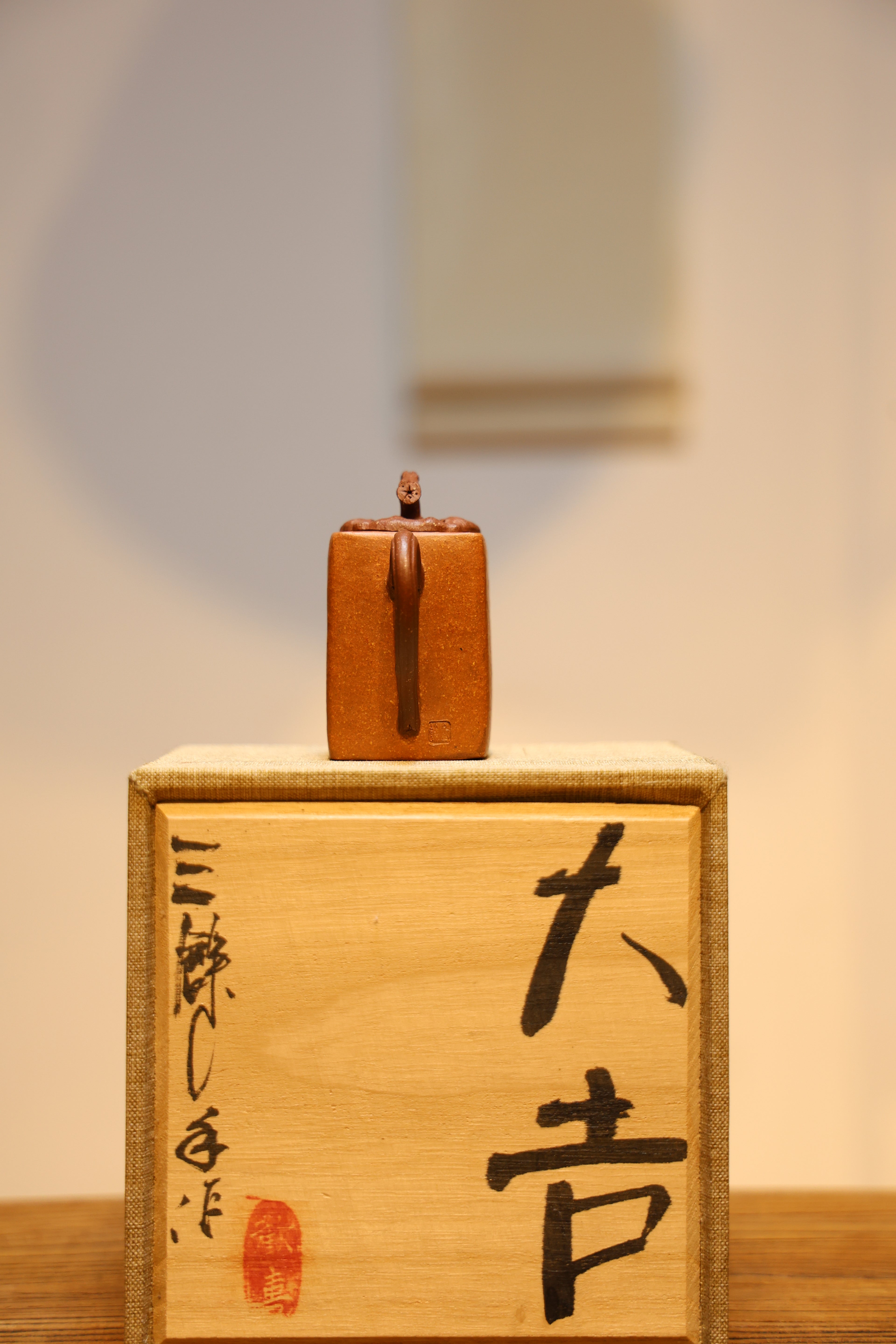
Starting your extensive survey in relation to 宜兴 Zi Sha teapots presents a captivating mixture between skill together with performance.
Eysing Tz'u Sha brewing containers boast one exceptional attraction among collectors internationally. Such fascinating clay pots, produced from the specific Yixing location close to Jiangsu territory, China, serve as more than just tea apparatus; they function as works of beauty and cherished significance. Distinct finely selected clay, known under the name Zisha, imparts a nuanced flavor to the tea, and the fancy designs, often exemplifying traditional Chinese symbols, contribute to their core value. Gaining a genuine Yixing Zisha teapot constitutes a delightful journey, posing careful scrutiny and an comprehension of the several factors influencing the uncommonness.
Investigating Yixing Vessels
Eysing clay pots boast a colorful heritage deeply interwoven with Chinese heritage. Originating in Yixing, Jiangsu division, these earthenware are crafted from a unique, porous purple clay found only in that special location. Their creation began during the Ming session, with master makers refining the techniques over epochs. Several types persist, including the classic Hexiang (resembling crab shells), Zhuni (red-brown hue), and Duan Ni (stone-studded) – Yixing Teapot each with distinctive traits. The value of an Yixing ceramic vessel isn't solely based on its size or ornamentation, but also on the designer’s reputation, the soil's quality, and the teapot's age and condition. Aficionados often seek out older examples, believing they absorb the essence of the tea brewed within them over time, further adding to their eminence.- Hexiang Earthen Pots
- Zhuni Earthen Pots
- Duan Ni Earthen Pots
Zisha Teapot Mastery: Craftsmanship & Approaches
Exclusive production of Zisha teapots represents a zenith of Chinese ceramic skill. Accomplished artisans employ antique techniques, often passed down through lineages, to unlock the full charm of this unique clay. Methods involve meticulous sculpting by hand, often combined with the binding method, followed by precise baking at incredibly severe temperatures in wood-fired kilns. Illustrating is equally crucial; makers utilize native clay colors and may incorporate modeling work to depict intricate scenes or patterns, demonstrating a profound knowledge of the material’s aspects and energy. The resulting teapot isn't merely a vessel for tea, but a testament to a profound cultural history.
Classical Vessels: This Outline to Yixing Zi Sha
Unveiling the world of Traditional teapots generally starts with Yixing Zisha. These exceptional clay earthenware are formed from a exclusive type of clay found only in the Yixing region of the Jiangsu province. Acclaimed for its exclusive reddish-purple hue and high-quality merits, Zisha clay imparts a gentle flavor to the infusion and matures with age, shaping into a cherished valued item. Holding Yixing Zisha teapots is more than just owning a lovely object; it’s a honoring of custom and mastery.
Delving into that Earthenware: Origination & Advancement
Investigating the environment of Yixing Zisha containers can be absolutely fruitful, but involves a discerning insight. Sincerity is indispensable; various forgeries are found, regularly cleverly created. Gaining understanding about historical kiln methods, distinctive dirt particulars, and the symbols of distinguished craftsmen is utterly vital. Furthermore, acknowledging the complexities of the rise movement – influenced by elements such as archaic role and the shape of the artifact – is crucial to sound investing.
- Scrutinizing heating origins.
- Consulting advisors for certification.
- Assessing exchange patterns.
An Art of Creating with a Purple Teapot
That special allure of a Zisha instrument lies not just in its elegant appearance, but also in its remarkable impact on the quality of the drink. These traditional clay brewing pots, sourced from unique regions of China, possess a natural porosity that delicately interacts with the solution and leaves, imbuing the tea with a light character. Mastering the art requires a thoughtful approach, understanding how the earthen material responds to variegated warmth and floral types, ultimately leading to a authentically rewarding imbibing process.
Sustaining One's Relic
Proper attention of your Yixing ceramic vessel is necessary to continuing its quality. These singular teapots, crafted from remarkable Yixing clay, accumulate a character over generations that enhances their importance. Occasionally rinse the body with soft water, avoiding detergents, and never use rough scrubbing tools. Occasional gentle rubbing with a silky cloth can assist in taking off patches. Allow your vessel to wholly dry subsequent each brewing
Interpreting Stoneware: How Such Pottery Become Singular
The distinguished appeal of Yixing teapots originates in the particular properties of Terracotta clay, sourced solely near Yixing, that region. This noteworthy clay, designated as ferruginous earthenware , features a exceptional combination of constituents that, over time, imbibe the essence of the tisanes it incubates. This yields a singular fragrance for each pot, transforming it a merit far outperforming its initial price and leading to their respected status among devotees.
Selecting the Best Ancient Kettle: A Pottery Guide
Venturing into the world of Zisha clay teapots can feel daunting, but understanding the fundamentals is important to finding a beloved piece. Those clay, sourced chiefly from the Yixing vicinity, the Jiangsu zone, is acclaimed for its characteristic quality and ability to adapt the savor of the liquor over long haul. Assess the silhouette, the cast, and the style; a legitimate Zisha teapot is more than just a holder; it's a craftwork and a signifier of oriental culture. Check the signature of the potter for clues to its origin and potential standing.