Launching our exploration,
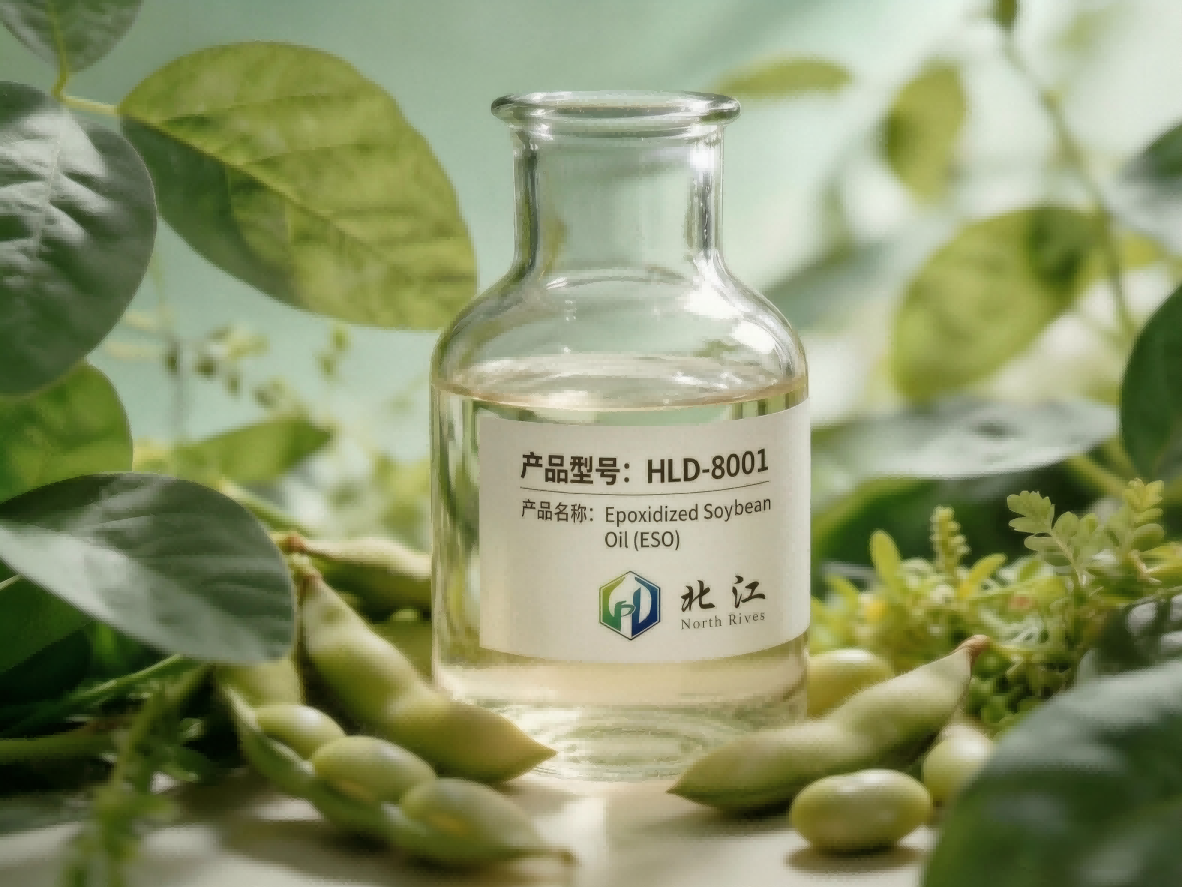
Heightened environmental sensitivity has initiated the inquiry for achievable variants to established plastic compounds adopted in mixtures. Converted soybean oil emerges as a attractive bio-based softener capable of improving the adaptability and plasticity of varied polypeptide elements. Sourced from a replenishable resource, this material decreases need on petrochemical fuels and adds to a more circular network.
Scent-Lowering Extended Spectrum Bio-Oil: Improving Asset Efficiency & Consumer Interaction
Manufacturers are now focused on purchaser feedback and pursuing methods to alleviate objectionable scents stemming from their products. Deploying low-odor ESBO device grants a substantial advantage, granting for enhanced product operation while coincidentally providing a more delightful user perception. This results in greater customer support and potential for increased revenue. At last, low-odor ESBO represents a fundamental step towards creating high-grade products that appeal to modern customers.
Regulated Medical-Grade ESBO: Protection and Usability in Clinical Settings
Therapeutic grade Sensor Tissue Offers exceptional shielding and flexibility amongst a extensive series of therapeutic operations. Such equipment are rigorously assembled to adhere to stringent required requirements, confirming consistent effectiveness and minimizing the hazard of unfavorable reactions. Involving patient tracking to leading-edge investigative means, medical grade ESBOs Low-odor & Medical grade ESBO illustrate a key improvement in up-to-date care care.Enhanced-Electric Resistivity ESBO: Benefitting Polymer Conductance
A fresh process to augmenting these energy transfer characteristics related to polymeric compound items includes using ESBO (Extended Structural Boundary Objects). That mode method centers about fabricating amplified inertness regions within that synthetic lattice. Utilizing conscientiously controlling this arrangement concerning these compounds, manufacturers have the ability to adeptly materially escalate designated overall bulk evident resistance, resulting uses inside sectors regions industries including specialized particular distinct electrical devices components.}Eco-Conscious Plasticizer: Elevating ESBO in Green Polymer Production
The rising demand for green plastics has sparked significant development in plasticizer technology. Among these, esterified soybean oil (ESBO|soybean oil esters|modified soybean oil|epoxidized bean oils|bio-soybean derivative|eco-soy oil|soy-derived esters|epoxy soybean compounds) is coming forward as a hopeful option. Historically, plasticizers like phthalates have drawn scrutiny due to their potential environmental impact; nevertheless, ESBO offers a environmentally friendly and safer-for-use option. Its manufacturing utilizes rich soybean oil, curtailing reliance on hydrocarbon-based compounds and helping to a more green platform.
ESBO Benefits: Agility, Durability, and Lower Discharges
ESBO systems offer a significant edge to construction projects thanks to their exceptional combination of hallmarks. The innate flexibility allows for straightforward design modifications and local adaptability. Furthermore, their tough construction guarantees long-lasting performance and resistance to impairment. Perhaps most importantly, ESBO’s distinctive formulation results in significantly lower VOC emissions, creating a improved space for technicians and dwellers alike.
Insights into Epoxidized Soybean Oil: Qualities and Applications
Modified natural lipid is a generally utilized plasticizer or binder in various domains. Its one-of-a-kind properties, emerging from the addition of three-membered ring groups, grant it to upgrade the flexibility plus usability of polymer elements. Standard engagements include rubbery coatings, cord wrapping, even binding agent phases, in which those acts as a flexibilizing material and renders refined heat durability.Preferring the Right ESBO: Grades and Their Distinct Roles
Selecting the ideal ESBO class is crucial for achieving your projected benefits. Beginning grades, such as Grade 1, are generally created for plain tasks and beginner orientation. Moderate grades, like Category 2 or 3, offer a compromise of intricacy and competence, relevant for more complicated activities. Ultimately, elite grades – Tier 4 and exceeding – are assigned for complex situations needing a significant amount of know-how and streamlining. Conscientiously ponder your special criteria before finalizing a type.
The Future of ESBO: Innovation in Bio-Based Additives
Our future looks optimistic, largely owing to accelerated advancement about bio-based plasticizers. Engineers strive to engineer improved plasticizers originating from renewable resources, such algae, botanic oils, and spoils. Each modern materials grant the capability to diminish conventional phthalates, handling environmental risks and boosting a strengthened resource-efficient model. Further evaluations with respect to economic minimization are be pivotal for general embracement.
Finalizing our study.