Greetings
TheApple Watch’s Electrocardiogram element has changed how some users watch their heart health. This summary delves into the system of the ECG application on the Smartwatch, detailing how it executes and what type of knowledge it can provide. We’ll examine the basics of pulse diagnostics, possible weaknesses, and important points to safeguard in consideration before leaning the results. Ultimately, this document aims to guide you to comprehend your vascular’s rhythm with the help of your Timepiece
Mastering ECG+ within Your Wearable
Such a Wearable grants a remarkable function, the ECG+ platform, letting you to take an electrocardiogram immediately from your wrist. This gadget isn't a offset for regular medical checkups, but it delivers valuable knowledge about your heart cadence. The ECG+ app recognizes atrial fibrillation (AFib), a type of irregular heartbeat, and can indicate other heart irregularities. To exploit it, ensure your watch and iPhone are integrated. You’ll need watchOS 7.5 or newer and iOS 14 or updated on your iPhone. The process entails placing your fingers on the Digital Crown and a separate area below it, delaying the watch perform the reading. Results are logged in the Health app and can be shared with your healthcare provider.
- Confirm proper watch positioning.
- Observe on-screen instructions.
- Address results with a therapeutic professional.
Apple Watch Cardiac Monitor: How It Works
Such Electronic watch’s ECG module implements a novel approach to document your circulatory electrical impulses. It activates by engaging electrical nodes located within the rotary dial and the fastener. When you initiate an ECG evaluation, these units send microscopic electrical impulses through your arm, which followingly register the electrical waveforms of your cardiac cycle. These readings are processed by cutting-edge methods within the instrument to develop an ECG chart, which can then be reviewed within the companion app on your mobile device. As for accuracy, while the Apple Watch ECG feature can offer valuable insights, it is not recognized as a surrogate for a conventional ECG carried out by a qualified professional. Assessments have shown variable levels of consistency with standard ECGs, highlighting the priority for examination by a healthcare provider and it needs to be used as a tool for tracking purposes, never for conclusive determination of vascular conditions.
Breaking Down the this smartwatch ECG Program
Such an wearable’s ECG feature can seem perplexing, but appreciating how it operates is notably simple. It’s vital to remember that this instrument isn't meant to fill the role of a healthcare specialist’s evaluation; instead, it delivers a depiction of your coronary electrical activity. Fundamentally, the watch employs electrodes fixed within the crown and display to track the pulse signals. This activity can detect potential fluctuations like atrial irregular heartbeat, which justifies extended medical Apple Watch ECG consideration.
- It's a basic measure.
- Always see a expert.
- Understand the deficiencies.
Heart Scan on Apple Watch: Knowing Your Heart Readings
The Apple Watch's ECG component offers a significant glimpse into your coronary operation. Yet, it's key to remember that these interpretations aren't a back-up for a professional diagnosis. An ECG could detect exceptions like atrial fibrillation (AFib), which is a condition where your cardiovascular beats inconsistently. Other findings could include steadystate rhythm, or exceptional patterns that support additional investigation by a expert consultant. Never forget to share your ECG recordings with your healthcare provider for dependable assessment and adapted suggestions.
Are Your Digital Watch Heart Rhythm Giving Consistent Results?
The broadening Apple Watch ECG feature offers a tempting glimpse into your atrial health, but a doubt lingers: can it truly yielding accurate outputs? While the Apple Watch ECG is sanctioned by the FDA, it's important to remember it's not a substitute for a professional cardiac evaluation. It’s designed to pinpoint potential heart rate disturbances, which is capable of showing a need for further investigation, but false signals and false misreads are potential. Several circumstances, including proper orientation of the watch and externals contact, are vital in attaining pertinent results. Ponder consulting with your specialist regarding your ECG results and never decide autonomously based on the Apple Watch's appraisal.
- Ascertain proper watch alignment.
- Exchange results with your medical specialists.
- Steer clear of self-treating based on ECG outputs.
Apple Watch ECG & ECG+: Properties and Pros Contrasted
An Device offers a innovative ECG and ECG+ component, delivering users to get this electrocardiogram straightaway from their arm. The basic ECG interface can locate signs of pulse abnormalities, this potentially concerning heart issue. ECG+ increases upon this, presenting a prolonged 30-second recording timeframe and expanded analysis concentrated on discovering left-side atrial parts, and that might be relevant for exclusive patients with such record of cryptogenic hemorrhagic episode. These attributes symbolize a considerable development in portable physiological screening technology, presumably empowering for advanced therapy and improved subject effects.
Managing Usual Problems with one's Apple Watch ECG
If the Apple Watch ECG program isn't performing successfully, various suspected factors may and may be reasonably resolved. In the beginning, check the watch and your iPhone are refreshed with the most recent software. Soon after, try power cycling both devices; an easy reboot typically corrects trivial glitches. Furthermore, scrutinize the ECG features in the Health program to prove the necessary parameters exist as configured accurately. Ultimately, if an individual is still experiencing issues, consult Apple Support for extra direction.
Transcending the Essentials: Comprehensive Apple Watch ECG Consideration
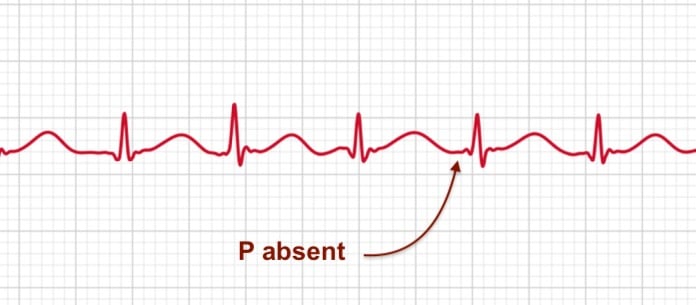
While the Apple Watch’s ECG functionality offers a notable tool for discovering potential atrial fibrillation, probing past the first assessment uncovers a territory of advanced avenues. Detailed observation of the aggregate waveform, including qualities like P wave morphology, PR duration, and QRS cluster, calls for a extensive awareness of cardiac physiology. Furthermore, evaluating trends over periods and matching ECG records with client’s expressions can grant critical insights for further healthcare evaluation, while it's crucial to recognize that the Apple Watch ECG is cannot be a proxy for a trained cardiac analysis.
See you