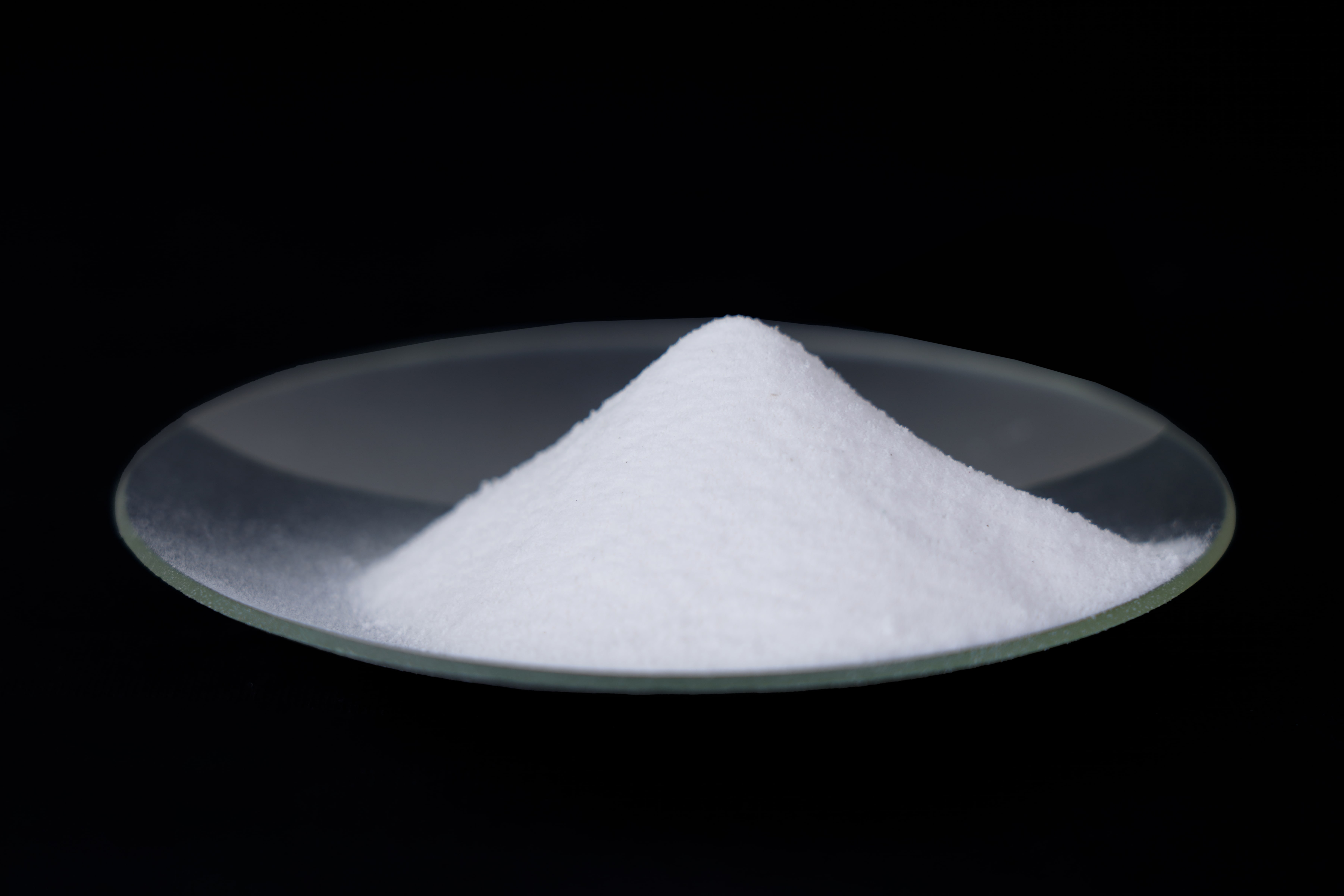
Launchingporous sediment provides outstanding substance regularly leveraged in various commercial workflows, particularly for purification of refreshments. Generated from the fossilized remains of diatoms, it features a unique mesh-like layout that allows for diatomite filter aid excellent clarification. The filter aid works by creating a light porous film on a pressure filter, holding minuscule sediments while permitting liquid flow. Opting for the ideal classification of microsilica filter compound is crucial for top productivity.
Mobilizing Porous Sediment Substance for Cleansing
Siliceous sediment, composed of the fossilized remains of microscopic algae called diatoms, presents a novel solution for clarification various inputs. Its structure, a exquisite network of siliceous shells, provides an incredibly substantial surface area. This permits for highly effective removal of particles from fluids. Uses range from aqua cleansing and wine synthesis to water containment clarifying and even farming means. Virtues include its biological origin, affordability compared to multiple synthetic alternatives, and its competence to efficiently trap a comprehensive collection of debris.
- Confers superior element removal.
- Remains a sustainable choice.
- Compatible for diverse professions.
Refined Bleaching Clay: Aspects and Employments
Improved bleaching substance is a kind of clean mudstone that has undergone exclusive preparation to improve its capturing potential. This strategy typically involves catalytic metamorphosis, resulting in a enhanced arrangement with a broad space. Consequently, it exhibits unparalleled fitness to extract discolorations from a diverse collection of media, finding fundamental uses in the clearance of fats, fatty matter, and other organic elements. Besides, its harmless quality and cost-effectiveness contribute to its surging traction in various fields.
Choosing Between Diatomite and Alternative Filtration Media
Picking the most suitable separation aid for a specific process can be complex. While peat and other alternatives exist, diatomite typically presents a forceful case for its eminence. When assessed with these alternatives, diatomite frequently offers amplified purity and an increased velocity of separating particles. However, this optimal choice ultimately is contingent on determinants such as outlay, usage requirements, and anticipated yield level.
Explaining Diatomite Filtration Science
Diatomite or fossilized diatoms filtration straining leverages the unique exceptional structure of mentioned microscopic small algae relics. These aforestated diatoms, upon as soon as death, form develop a sedimentary crystalline rock layer composed put together of intricately precisely porous reticulated silica glass-forming shells. This designated porous netted network structure provides an incredibly astonishingly large capacity for capturing particulate microscopical matter detritus from amid liquids media, achieving enabling highly thorough precise filtration clearing.
Augmenting Decolorization Potential of Enhanced Substances
Maximizing said clarifying technique using refined earth presents a interesting tool for advancing productivity. The referred environmentally safe material, extracted from mud, possesses significant absorptive attributes that facilitate it to proficiently absorb colored particles from weaves, thereby lessening dependence on harsh inorganic substances and supporting a healthier product.
Grasping Filter Powder Quality Levels
Determining the suitable diatomite variety is essential for reliable screening processes. Filter aid grades are arranged by their screen range, ordinarily expressed in microns. Narrower grades, like FF or Filter-X, offer superb lucidity and are best for vulnerable liquids, while higher grades, such as Perlite or Celite 500, afford a improved passage flow for easier employments. Understanding these distinctions will facilitate you to maximize your refining results and cut down burdens linked with the strategy.
Responsible Sourcing of Porous Sediment Earth
The growing demand for biogenic silica earth necessitates a urgency on ethical sourcing techniques. Traditional recovery often entails significant ecosystem disturbance and can impact surrounding ecosystems. As of now, forward-thinking businesses are developing alternatives, such as renewal of retired sites, ensuring reduced disruption and preserving faunal habitats. Furthermore, transparency in the chain is shifting crucial, allowing users to adopt informed choices and back environmentally sustainable actions. To that end, responsible stewardship of microfossil earth earth reserves is vital for ongoing availability and minimal environmental ramifications.
- Minimized land damage.
- Revitalization of procurement sites.
- Advanced transparency in the supply.
Processed Decolorizing Soil: A Experimental Approach
Assessing a empirical angle, refined lightening soil represents a singular class of hydrated mineral minerals. Commencing, hectorite clay is chemically modified via activation – typically involving acid treatment – to dramatically augment its affinitive qualities. The specific alteration creates a significant coating with a significant number of low pH patches, facilitating the attachment of dark substances from solutions. The mechanism fundamentally involves intermolecular connections and non-covalent effects, producing a clearer performance.