e
China's exterior facade production has rapidly emerged as a chief universal body in the construction domain. Fueled by competitive tariffs and substantial productivity, Chinese producers now furnish a large portion of façade system systems for projects internationally. Their capacity to create refined designs and adopt modern procedures has also cemented their reputation as key players in the universal design landscape.
Glazed Envelope Setups: Planning & Improvement
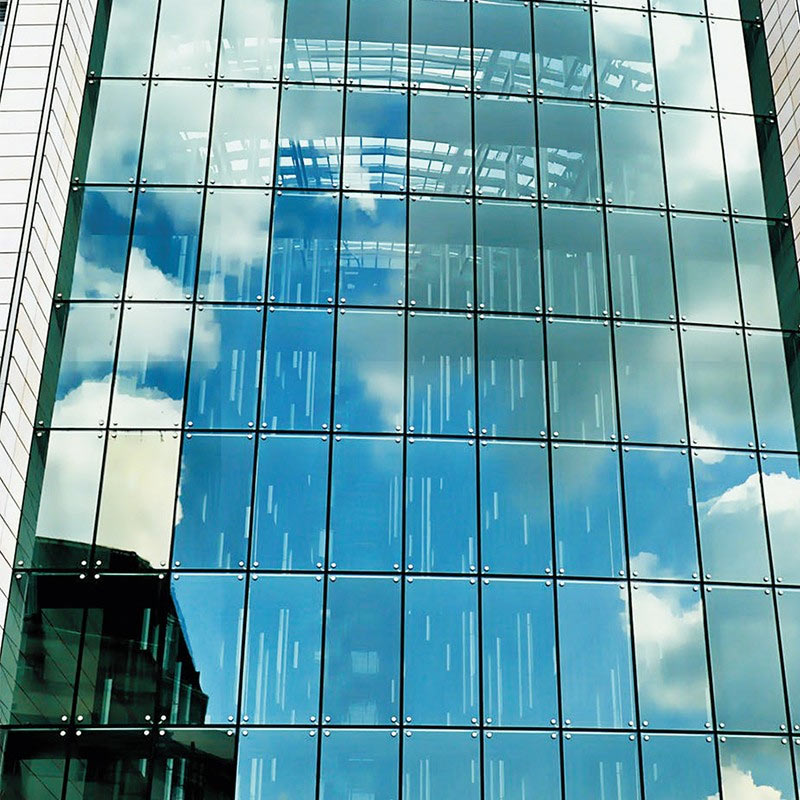
New design frequently employs glass screen systems, representing a significant progress in infrastructural aesthetics and proficiency. Such intricate systems afford for expansive views, maximizing daylight and generating a experience of liberation. Recent breakthroughs emphasize on uniting earth-conscious materials, improving thermal efficiency, and inventing adaptive glazing mechanisms that respond to changing weather situations. The issues of formulating these complicated systems compel close collaboration between designers and skilled installers to provide structural strength and best functionality.
Lightmetal Curtain Wall Assemblies: Effectiveness and Style
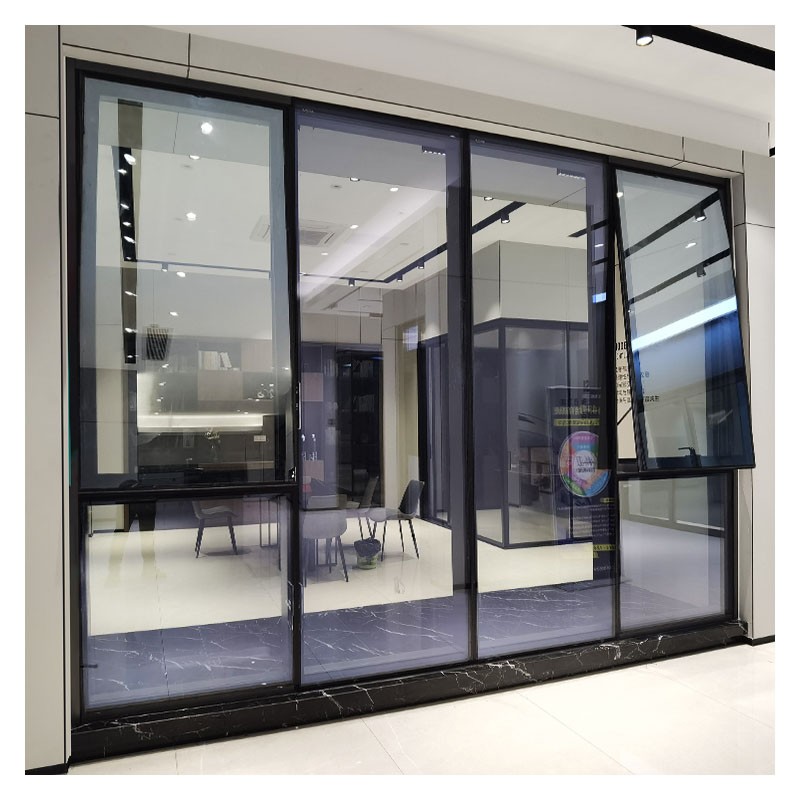
Latest structures increasingly feature aluminum curtain wall structures to secure a balance between remarkable capacity and striking appearance. These assembled facades grant exceptional temperature output, curbing power costs and boosting building’s sustainability. In addition, aluminum's natural versatility allows for a wide diversity of formative expressions, from sleek, minimalist themes to complex, tailored structures. The manageable nature of aluminum also assists in easier erection and curtails aggregate construction weight, making it an favored preference for current construction projects.
Locating the Fitting Curtain Wall Manufacturer in China
Landing a credible curtain wall manufacturer in China can seem like a daunting task, but careful analysis is necessary. Many factories exist, making available a expansive range of systems, so identifying the optimal partner requires a planned approach. Begin by defining your venture's exact needs and technical conditions. Then, leverage online tools like Alibaba or Made-in-China, but don't purely depend on them; confirm their credentials and solicit recommendations independently. Consider factors such as record in your intended application, credentials (like ISO), and responsiveness expertise. Finally, regularly arrange a facility audit, if achievable, to personally estimate their production techniques and quality mechanisms.
- Assess the business's experience.
- Audit for relevant permissions.
- Acquire demonstrations for performance inspection.
China’s Progress of the Cladding Area
For quite a few spans, China's curtain wall industry has undergone a remarkable rise. Driven by rapid construction and extensive infrastructure endeavors, the requirement for sophisticated curtain walls has increased. Initially, the market was dominated by external technologies and organizations, but provincial manufacturers have steadily achieved ground, now contending on both outlay and china curtain wall grade. This transformation is fueled by national sponsorship and a widening pool of expert engineers specializing in leading facade engineering.
- Growing demand for high-rise buildings.
- Advanced advancements in facade materials.
- Official policies promoting internal manufacturing.
Analyzing Glass vs. Aluminum Curtain Walls
When selecting a substance for a curtain wall, builders often consider the decision of glass versus aluminum. Aluminum Alloy curtain walls generally yield strengthened structural robustness and lastingness, especially in violent conditions or seismic areas. However, glass curtain walls provide remarkable natural light illumination and visually pleasing presentations. Glass systems might also include various films for solar efficiency and reflection reduction, although aluminum systems often depend on insulating breaks to lessen heat transfer. Ultimately, the best option is determined on the special project provisions and fiscal barriers pertinent.
Building Skin Development: Tendencies from China
The Middle Kingdom's dynamic construction sector is shaping global structural trends, particularly in sheathing design. We're experiencing a transition toward increasingly intricate systems, with a strong focus on climate awareness. Several main trends are manifesting: new use of glazing, frequently adopting interactive technologies like electrochromic membranes that adjust to sunlight, and the inclusion of systematic design principles to construct highly unique facades. Furthermore, there's a surging interest in fusing eco-friendly design elements – such as vertical botanical facades and raw materials – to improve the aesthetic appeal and earth-friendly performance of edifices. Ultimately, Chinese organizations are driving the brink of what's doable in curtain wall engineering.
- Application of Responsive Pane
- Computational Formulation Integration
- Inclusion of Nature-inspired Features
Monetary Matters for China Curtain Wall Projects
Carefully steering the landscape of China building skin projects demands careful cost examination. Initial budgeting often ignores several decisive factors. Input costs, while seeing to be competitive, can change dramatically due to business volatility and tariff regulations. Employment expenses are another major consideration; certified installers need premium wages, and municipal building guidelines frequently command specialized systems adding to overall labor expenditure. Furthermore, haulage costs, especially to inland project points, can be serious. Possible delays due to climatic conditions or authoritative procedures moreover impact the job budget, often manifesting as enhanced holding costs for components. To curtail these risks, a feasibility review and solid cost allowance are essential.
- Component Cost Changes
- Employee Salary Variability
- Logistics Challenges
- Possible Setbacks
Excellence Regulation in the Façade System Manufacturing
Guaranteeing reliable quality supervision within China's curtain wall assembly sector is a crucial area of interest. Beforehand, challenges arose due to fluctuating guidelines and sometimes inadequate inspection processes. However, current initiatives include enhanced industry requirements, advanced inspection equipment, and a rising emphasis on personnel instruction. Many businesses are now employing ISO credentials and applying advanced systems for overseeing the entire workflow to guarantee uniform item quality.
a